
CAN Uganda · Projects

Batwa Indigenous Empowerment Programme

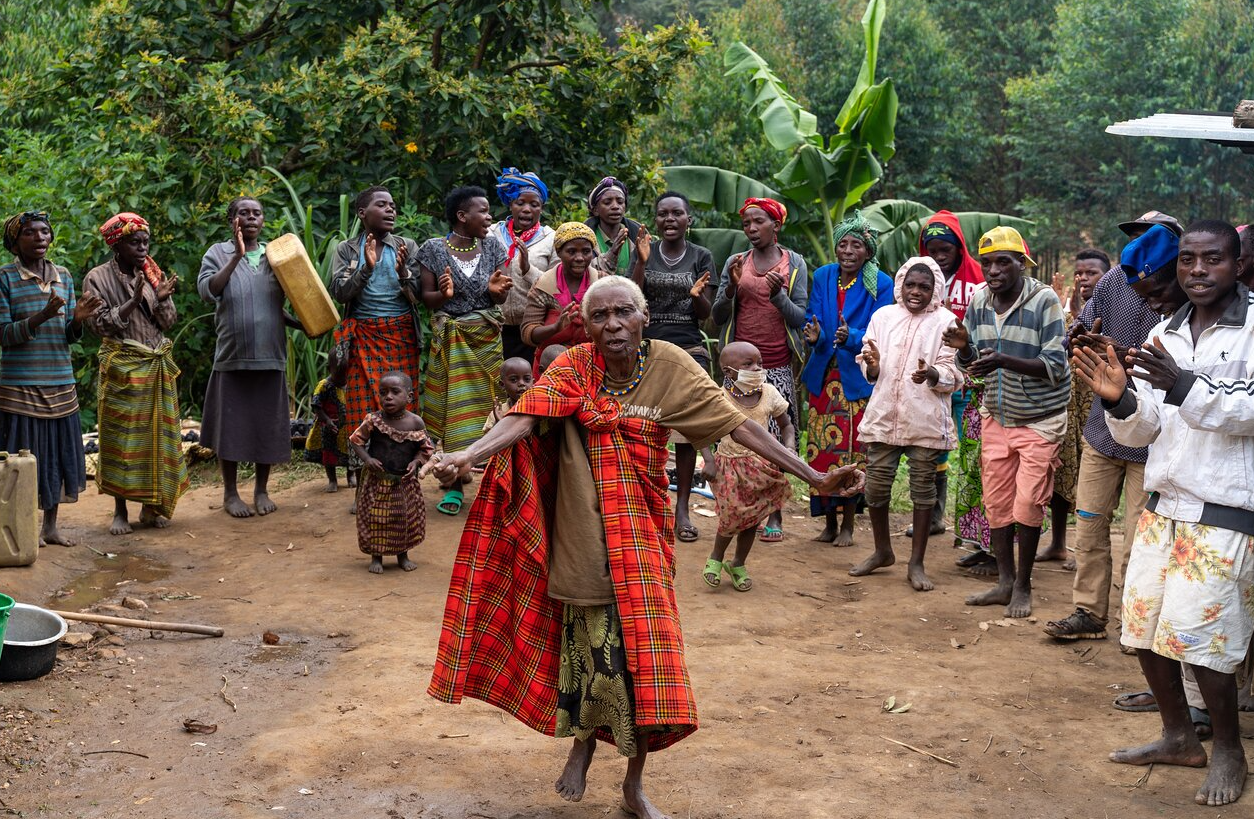
An organisation of Batwa indigenous people of southwestern Uganda formed to improve their people's living conditions, spread awareness of their situation worldwide, and organise for a better future for their people.

The project

Ecotourism, sustainable farming, carbon action

  • This project promotes social entrepreneurship through ecotourism.
  • Sustainable farming ensures self sustenance.
  • Building positive actions towards carbon sequestration.

Project type: Existential threat prevention, Eco Tourism, Education and Hospitality · Location: Rushaga Tourism Sector, Bwindi Impenetrable National Park · Status: In development, credits available. A video introduction by Project Founder Julius Tumwikirize is on our Videos page.

The Batwa, or 'Twa people

First people of the forest

The Batwa indigenous people are a tribe believed to be the first people that lived in the great mountains and forests of Virunga and Bwindi. In 1991 the Batwa were evicted from the forest — their ancestral lands — by the government. They received no compensation and no help with relocation. The Batwa have lived in the forests of Africa for thousands of years; today there are roughly 3,000 Batwa left on earth, facing extreme poverty, landlessness and extinction threats due to Climate Change.

The majority of the Batwa live in impoverished conditions and are some of the most vulnerable people in Africa today — threatened by isolation, discrimination, climate change and malnutrition. Batwa people are currently scattered across the country; BIEP raises funds to buy land for the Batwa, construct improved houses and grow food, working toward a Batwa food store and bigger food gardens to end hunger in Batwa communities.

What CAN is doing

Hemp housing & Centres of Excellence

CAN is creating Centres of Excellence (COE's) that are also agri research & production centres around Hemp Hurd, Fiber and Food production. We will prove the viability of growing Industrial Hemp that will create a large amount of employment as well as sequestering huge amounts of Carbon.

We also intend to build samples of quality Hemp Housing as models that could replace the shacks and substandard housing for the Batwa — current clay-brick practices extract clay from nearby mountains and degrade the land and environment.

BIEP experiences

Visit, learn, support

Community Walk

Visit a school where Batwa children study, walk through the neighbouring community to the Batwa settlements, and discover how the Batwa used to live in the forest. At the forest edge of Bwindi you may meet the Rwenzori three-horned chameleon, Regal sunbird, Blue-headed sunbird, Green-headed sunbird, Black Crake and more.

Batwa Cultural Museum — A-LIVING MUSEUM

Unlike other museums worldwide, BIEP offers a living museum where the Batwa of Rushaga-Bwindi present live artefacts of forest life: special trees for fire making, caves, the tree-house, grass-thatched houses, hunting snares, spears, arrows & bows, medicinal plants, honey storage and sacred places of their God Nyabingi Nyamugasani.

Birdwatching

Forest-edge birding around Bwindi Impenetrable National Park — Regal sunbird, Blue-headed sunbird, Green-headed sunbird, Black Crake and many more.

Hiking

A special 5-hour hike up the Kiezi hills around Bwindi forest to view Lake Mutanda, the Virunga volcanic mountains of Kisoro (Gahinga, Muhavura) and panoramic views of Bwindi forest.

Meet the founder

Julius Tumwikirize — Director, BIEP

CAN Uganda Youth Ambassador Julius Tumwikirize leads the Batwa Indigenous Empowerment Program. Watch his introduction on the Videos page.

Interested in getting involved?

Get in touch with CAN to learn more about supporting the Batwa — through ecotourism visits, funding or partnerships.