
About Uganda
A land of remarkable diversity
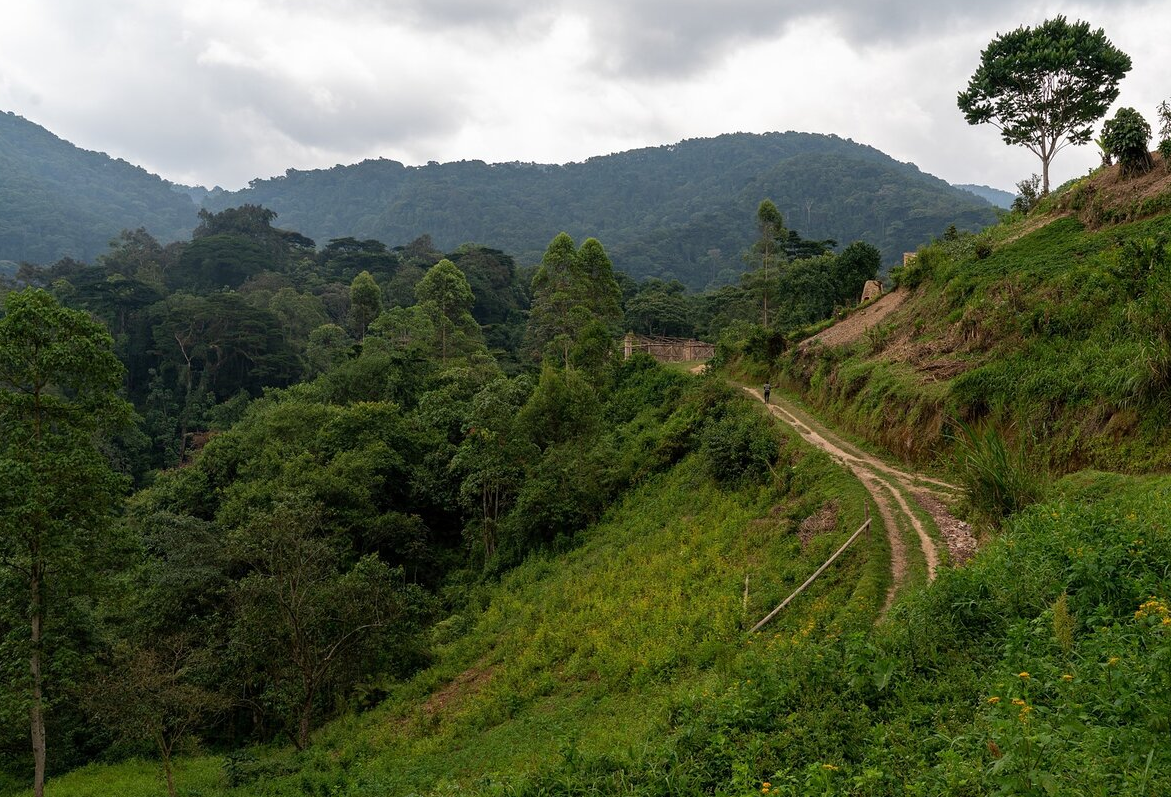
Uganda is characterized by diverse topography, comprising of lowlands, the plateau as well as hills and mountains. The lowest point is the western arm of the great East African rift valley at 620 metres above sea level and the highest point is 5,111 metres above sea level at the peak of Mt. Rwenzori. More than three quarters of Uganda is a plateau lying between 900 meters and 1,500 metres above sea level. About 15% of Uganda is covered by water and another 10% is permanently wet areas, mainly composed of papyrus swamps.
The elevation and geographical location of Uganda (at the equator) causes favourable rainfall and temperature that supports agriculture and a diversity of fauna and flora. Natural forests of Uganda are majorly open dry forest commonly classified as woodlands and medium altitude semi deciduous or ever green tropical high forests (Tropical rain forests). However the country's forest cover is fast declining at about 2% per annum but there has also been increased interest in afforestation and reforestation activities growing at about 3% per annum. Unfortunately, increased forest plantations cannot compensate for the loss of natural forests both in value and acreage.
Source: UGANDA'S FIRST BIENNIAL UPDATE REPORT TO THE UNITED NATIONS FRAMEWORK CONVENTION ON CLIMATE CHANGE
Uganda's Carbon Footprint
Why action matters here
Carbon dioxide emissions are those stemming from the burning of fossil fuels and the manufacture of cement. They include carbon dioxide produced during consumption of solid, liquid, and gas fuels and gas flaring.
5.3M t
CO2 emissions (2019) — up from 0.5M tonnes in 1970, growing at an average annual rate of 5.73%
0.06 t
CO2 emissions intensity per 1000 dollar GDP (2019) — tended to increase through 2000–2019
776.24k t
municipal waste collected (2017) — up from 224.24 thousand tonnes in 2006
CAN Uganda projects
On the ground with communities
From sustainable coffee farming with communities around Kisoro, to the Batwa Indigenous Empowerment Programme, the House of Bwindi fashion project and the Kawacare nutritional program — CAN Uganda works hand in hand with vulnerable communities, supporting the Nkuringo Bright Future School and Orphanage along the way. Our Uganda base: C/o Gorilla Highlands Cafe, PO Box 9, Bunagana Road, Kisoro.
Support education and sustainable projects at Nkuringo
We are raising $100,000 for the Nkuringo Bright Future School and Orphanage — funding education, healthcare and sustainable projects that transform young lives.